Former Rockstar Tech Director: AI Clones Could Accelerate GTA 6 PC Release
Former Rockstar technical director suggests concerns about AI-generated clones could prompt a faster PC release for GTA 6 than previous titles.
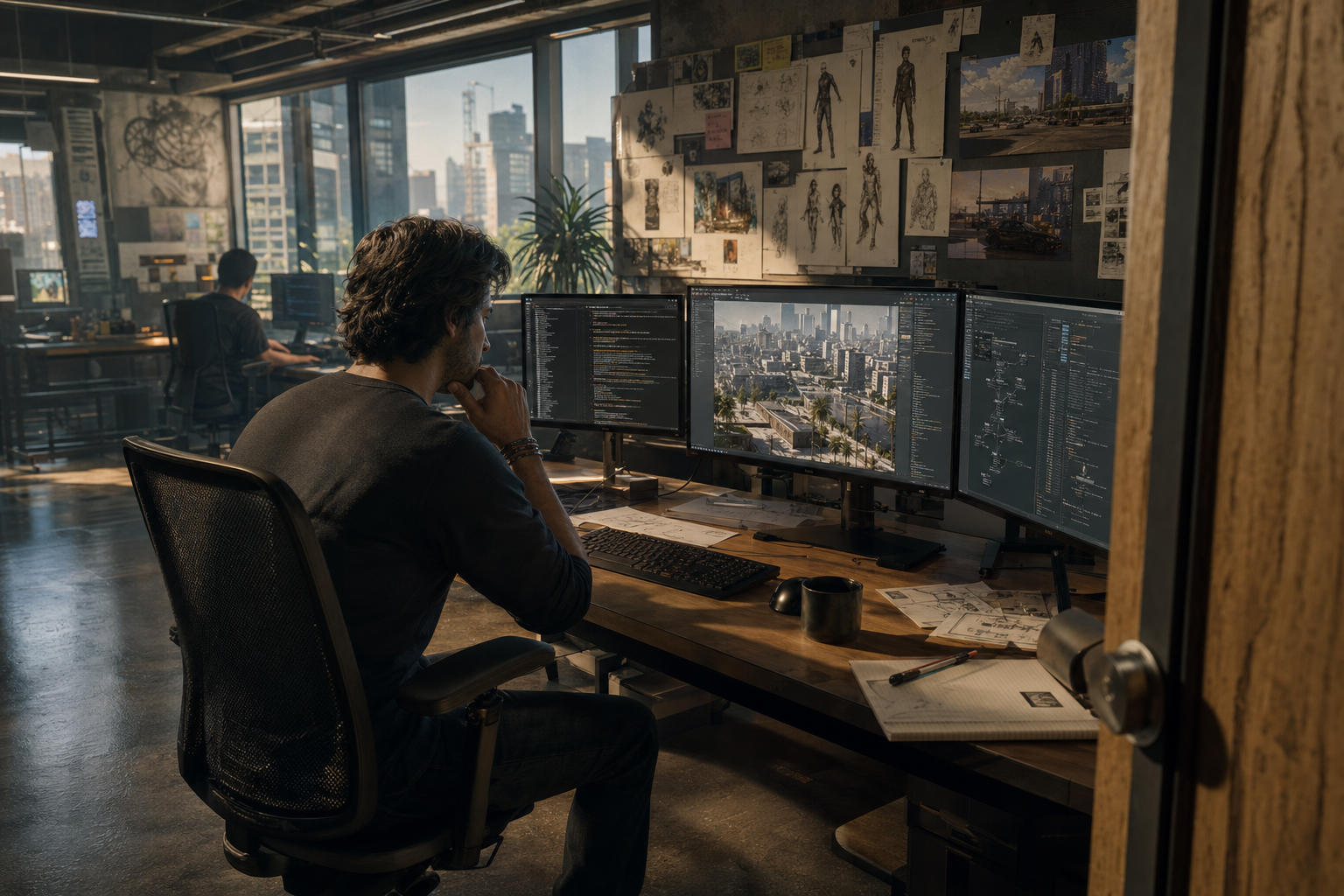
The PC version of GTA 6 may arrive sooner than fans anticipate, according to insights from a former Rockstar Games veteran. Obbe Vermeij, who served as technical director at Rockstar North, suggests that concerns about generative AI technology could influence the timing of the PC port following the console release scheduled for November 19th.
In a recent interview with Rock Paper Shotgun, Vermeij discussed how modern technological challenges, particularly the rise of generative AI, might affect traditional release strategies for major games like GTA 6. His perspective offers an intriguing look at how emerging technologies are reshaping industry thinking about platform releases.
The AI Challenge Facing Publishers
Vermeij identified the threat of AI-generated clones as a significant concern for Rockstar Games and parent company Take-Two Interactive. Once GTA 6 launches on PlayStation 5, the possibility exists that unauthorized parties could attempt to create AI-driven imitations or derivative works based on the console version.
According to Vermeij, avoiding duplication by what he termed “chatbot herders” represents “the big question” currently facing developers and publishers across the industry. This concern appears particularly acute for companies that lack the substantial legal resources Take-Two commands when defending the Grand Theft Auto intellectual property.
The former technical director’s comments suggest that the traditional strategy of staggered platform releases may need reconsideration in an era where AI tools can potentially replicate or approximate game experiences more quickly than in the past.
Historical Context of PC Delays
Rockstar Games has historically released Grand Theft Auto titles on consoles before bringing them to PC. GTA 5 famously launched on PlayStation 3 and Xbox 360 in September 2013, with the PC version not arriving until April 2015, nearly 18 months later. Red Dead Redemption 2 followed a similar pattern, debuting on consoles in October 2018 before reaching PC in November 2019.
These delayed PC releases have traditionally served multiple purposes for Rockstar, including maximizing console sales, allowing time for optimization, and potentially encouraging double-dipping from customers who purchase both versions. However, Vermeij’s observations suggest this calculus may be changing due to technological developments outside Rockstar’s direct control.
The Evolving Platform Landscape
During his conversation with Rock Paper Shotgun, Vermeij also reflected on the relationship between PC and console gaming dating back to the 1990s when he worked on early Grand Theft Auto development at Rockstar North. He described the evolving dynamics between these platforms and shared experiences from the company’s efforts to optimize the original GTA for Sony’s PlayStation hardware.
The technical challenges of that era, where bringing a PC-focused design to console required significant adaptation, have transformed considerably. Modern game development often involves simultaneous consideration of multiple platforms, even when release dates remain staggered.
What This Means for Players
If Vermeij’s assessment proves accurate, PC players could see GTA 6 arrive on their platform significantly sooner than the lengthy waits experienced with previous titles. Rather than waiting a year or more, the gap between console and PC releases might shrink to a matter of months.
However, it remains important to note that Vermeij no longer works at Rockstar Games, and his comments represent informed speculation rather than inside knowledge of current company plans. Neither Rockstar nor Take-Two has announced any official timeline for a PC version of GTA 6.
The broader implications extend beyond just release timing. Vermeij’s observations highlight how the games industry must adapt to emerging technologies that create new challenges for protecting intellectual property and maintaining control over how games reach audiences.
Industry-Wide Implications
While Take-Two possesses substantial resources to defend its intellectual property through legal means, Vermeij noted that smaller developers and publishers may lack similar capabilities. This creates an uneven playing field where major franchises like Grand Theft Auto might weather AI-related challenges more successfully than independent or mid-tier releases.
The question of how to respond to AI-generated content that potentially infringes on copyrighted games represents uncharted territory for the industry. Traditional protections may require adaptation as the technology continues advancing rapidly.
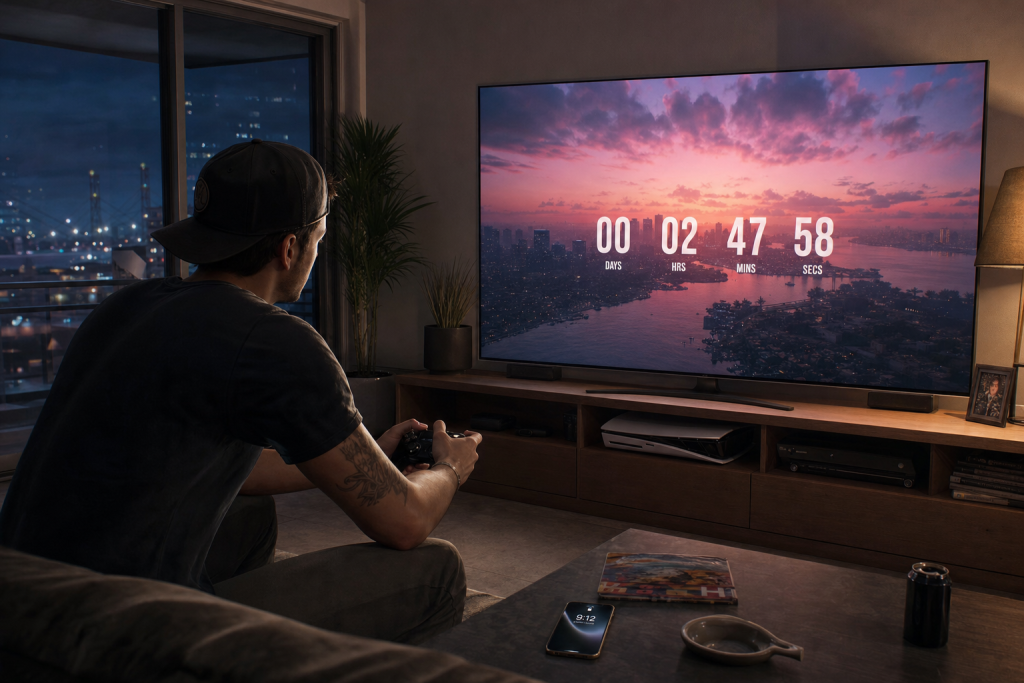
For now, fans awaiting official confirmation about GTA 6’s PC release will need to remain patient. The console version is confirmed for November 19th, but any PC announcement will come directly from Rockstar when the company is ready to share those details. Vermeij’s perspective does, however, offer an interesting lens through which to consider how modern technological developments might influence traditional industry practices.


Discussion
0 commentsCreate a free account to comment. Reading is always free.